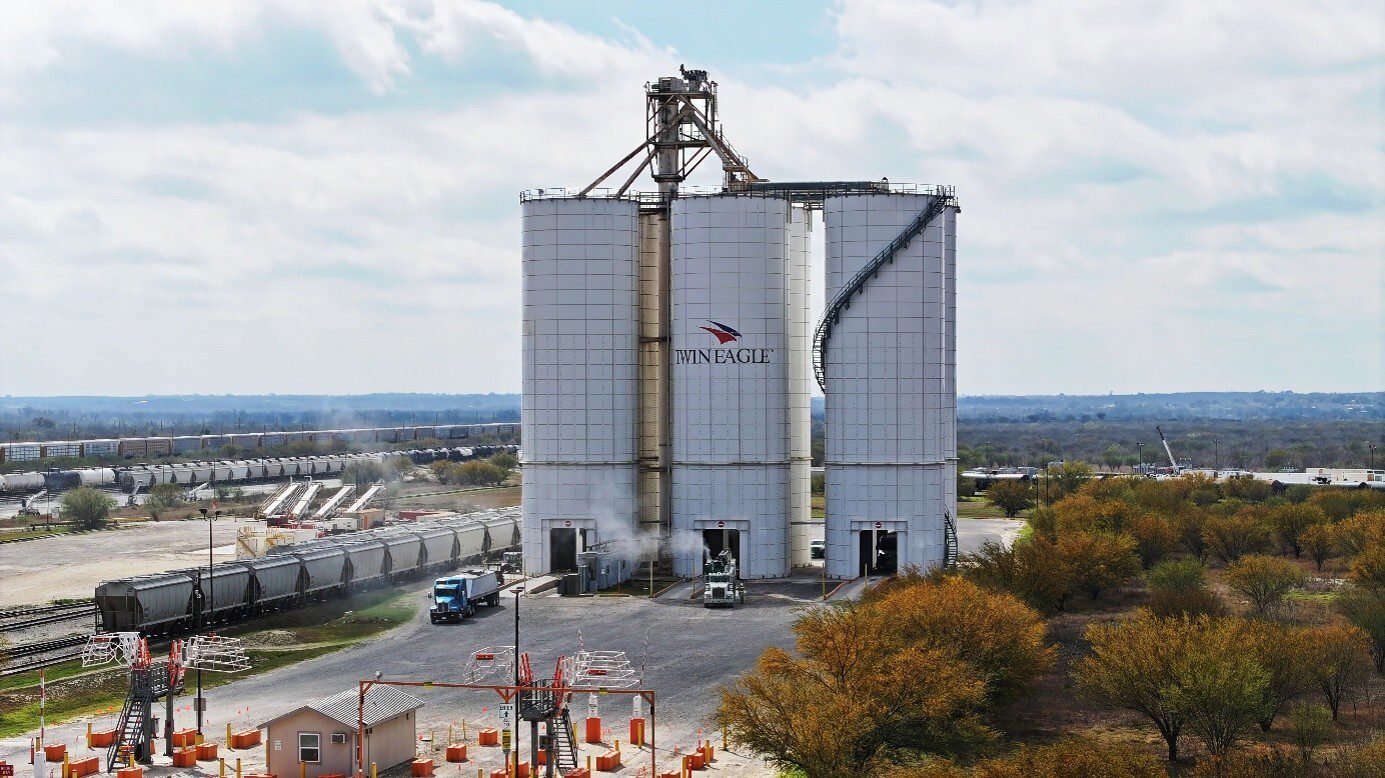
Bulk storage and transloading are at the heart of modern logistics, moving commodities like chemicals, fuels, and agricultural products efficiently between transportation modes. But with large volumes of materials and specialized equipment in play, safety isn’t just a priority, it’s the foundation everything else is built on. Protecting employees, the environment, and the integrity of the supply chain all starts with getting safety right.
Here are several key practices logistics companies should have in place.
Establish Clear Operating Procedures
Consistency starts with documentation. Well-defined Standard Operating Procedures (SOPs) take the guesswork out of daily operations by outlining exactly how materials should be received, how products transfer between trucks and railcars, how equipment gets operated, and what steps to follow when something goes wrong. When everyone is working from the same playbook, facilities run safer and smoother.
Provide Ongoing Employee Training
A procedure is only as effective as the people carrying it out. Employees need to know how to spot hazards before they become incidents, operate equipment correctly, and respond quickly to spills or leaks. Regular training and refreshers aren’t just a compliance checkbox, they’re what keeps a strong safety culture alive day to day.
Maintain Equipment and Infrastructure
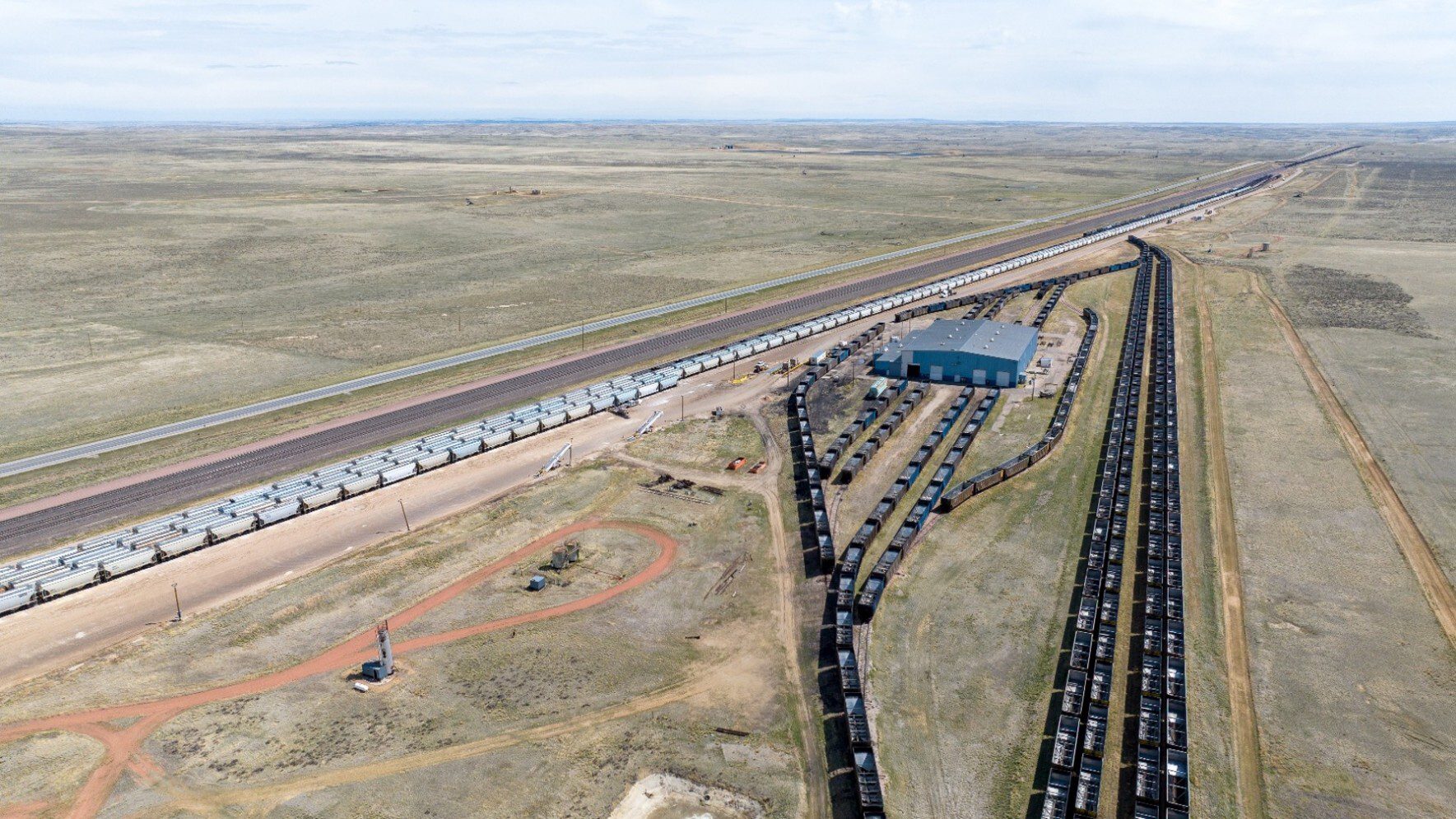
Pumps, hoses, valves, storage tanks, loading systems, all of it needs routine attention. Preventative maintenance and regular inspections catch problems early, reducing the risk of leaks, unexpected failures, and costly operational disruptions before they have a chance to happen.
Implement Spill Prevention Measures
Even with the best equipment and training, spill prevention systems add a critical layer of protection. Secondary containment around tanks, overfill protection, and readily accessible spill response kits help minimize environmental impact and keep response times fast if an incident does occur.
Ensure Proper Use of PPE
Handling bulk materials comes with inherent risks, and the right personal protective equipment is non-negotiable. Gloves, goggles, protective clothing, and steel-toe boots should be standard requirements, not suggestions, for anyone working with bulk materials on-site.
Maintain Compliance and Emergency Preparedness
Staying current with safety and environmental regulations is the baseline. Beyond compliance, facilities need clear, practiced emergency response plans. Regular drills and coordination with local emergency responders mean that if something does happen, the team is ready to act, not scrambling to figure it out.
A Safer Operation Is a Better Operation
Strong safety practices don’t slow logistics down, they make everything run better. When procedures are clear, teams are trained, equipment is maintained, and facilities are prepared, bulk storage and transloading operations can deliver the efficiency and reliability that supply chains depend on.
At Twin Eagle Terminals & Logistics, safety is built into everything we do. To learn more about how we approach bulk storage and transloading, reach out to us at info@teterminals.com.