If you ship by rail and truck, you know how much friction paperwork can add to the last mile. A driver waits at
a counter for a signed BOL, that paper gets scanned and re-keyed somewhere down the line, and if a copy
goes missing, someone’s making a return trip. Every one of those steps costs time.
At Twin Eagle Terminals & Logistics, we solved that problem back in 2018. While the rest of the industry is just
now moving toward digital bills of lading, we’ve been running this way for years. Here’s what that head start
actually means for you.
It starts at the terminal
In energy distribution, the last mile almost always moves by truck, and it starts at the terminal, right where
product switches from rail to truck and custody changes hands. So, when there’s friction in the paperwork,
it’s not a small annoyance. It’s the first domino in a chain that a driver, a shipper, and a back office all feel
later that day.
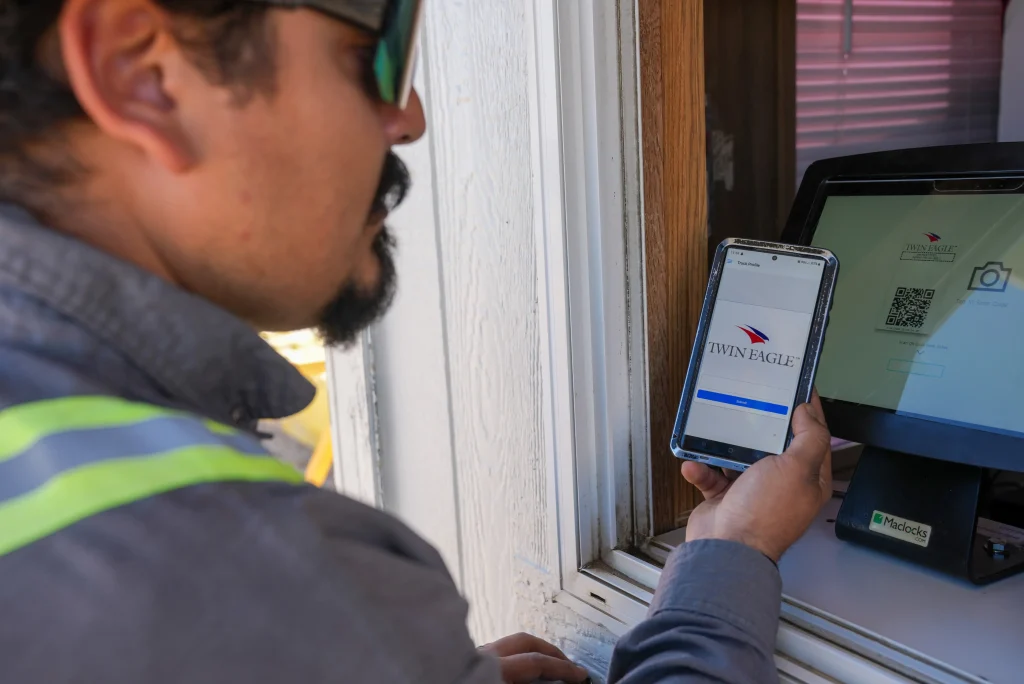
Our drivers pull their BOL straight from an app the second loading wraps up, then text, email, or save it on the
spot. No standing around at a counter, no digging up a copy that got misplaced somewhere between the rack
and the office. The document is data the moment it’s created, not a piece of paper that needs to be handled
three more times before anyone can actually use it.
What that actually changes for you
It’s not just one thing getting faster. It’s the whole chain. Loading moves quicker and drivers spend less time
waiting around, which chips away at dwell and detention. Nobody’s re-keying numbers into a system by hand,
so there are fewer billing disputes and invoices go out sooner. And because volumes, VCF and CTL
corrections, temperature, and gravity all travel with the document instead of getting copied over later,
reconciling numbers between terminal, shipper, and carrier is accurate from the jump.
There’s also eight years of records behind all this now, which means we can spot a problem in your
throughput or a shift in carrier performance well before it becomes a real issue.
The part that’s easy to overlook
Going paperless is also just better for the environment, and honestly, that wasn’t the point back in 2018. Less
paper printed and filed, fewer wasted trips for a lost copy, less fuel burned chasing down paperwork. It just
came along with building a process that worked better in the first place.
The industry’s catching up to something we’ve been doing for years now. That’s good news, but the takeaway
for you is simple: you’re working with a terminal that already has the systems and the track record to back it
up, not one that’s still figuring it out.
If you want to see how digital BOLs and the rest of our transload process could work for you, visit us at
www.teterminals.com or email us at info@teterminals.com